MENUMENU

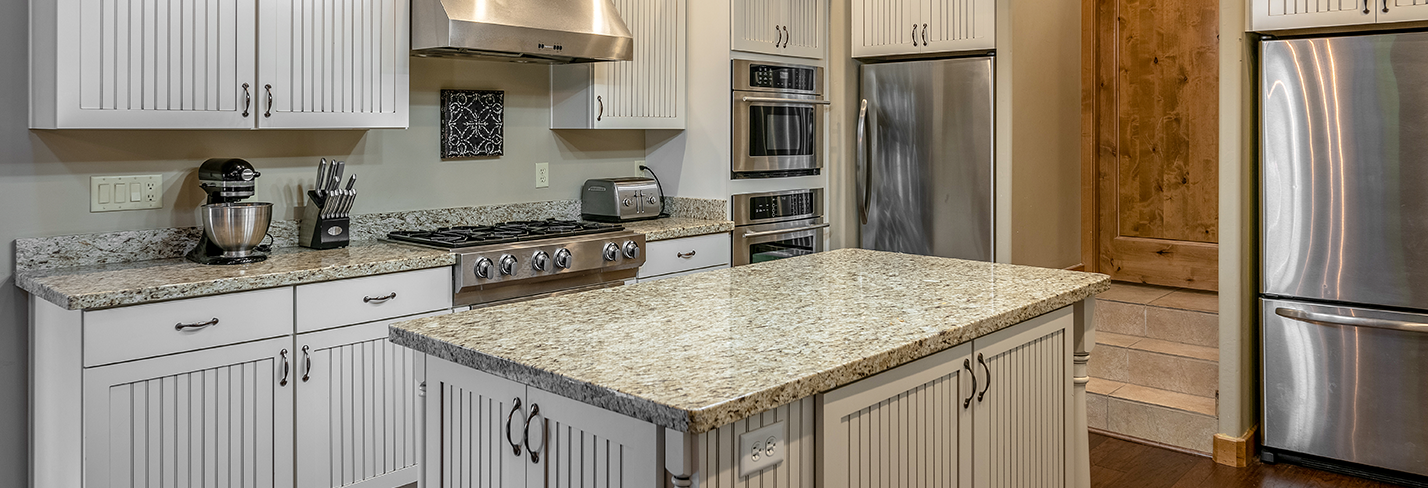
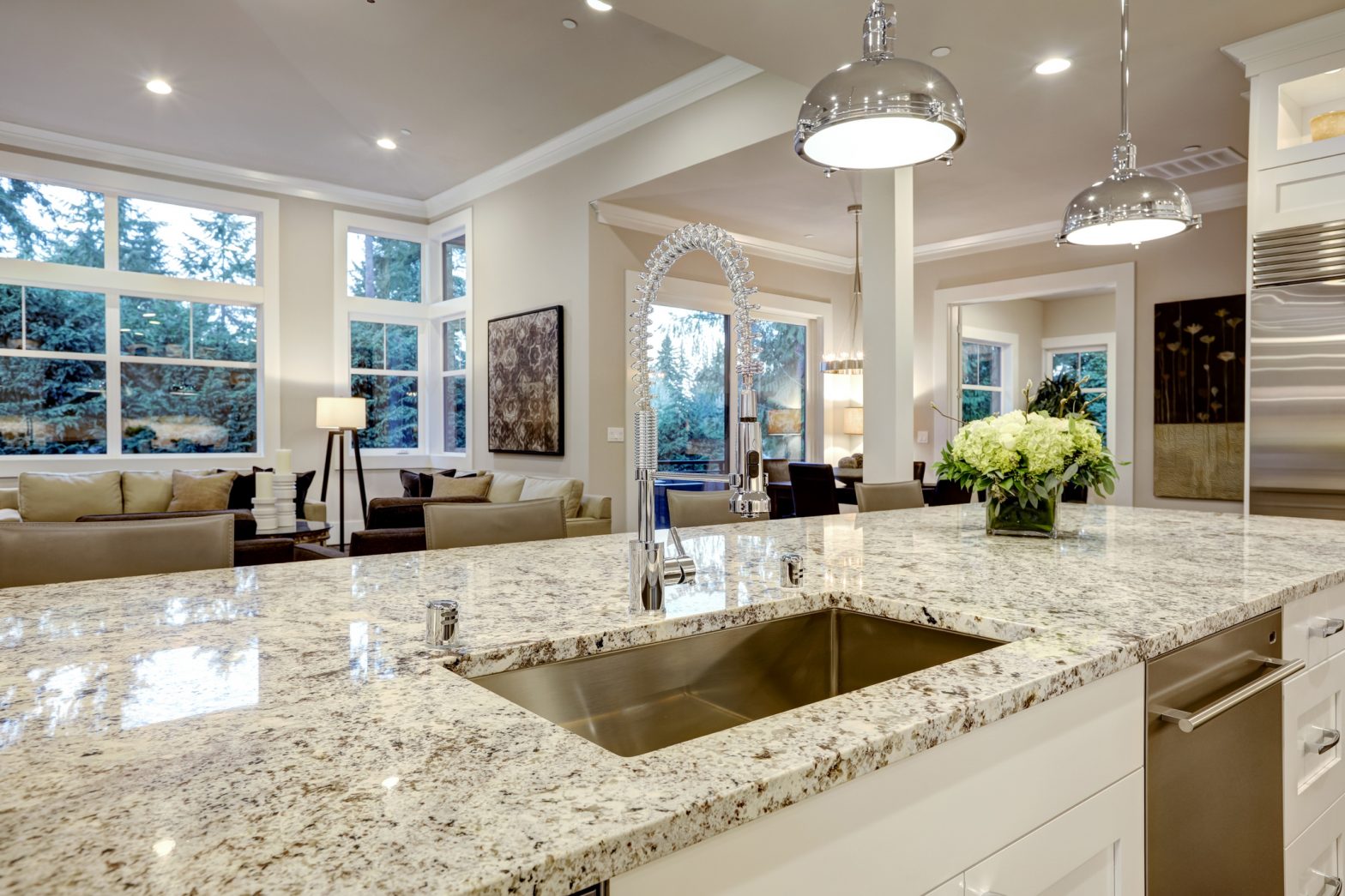
It is a fair question for homeowners planning a kitchen remodel. Quartz has become a major part of today’s countertop conversation, and many design reports point to quartz and quartzite as strong choices for the next several years. But that does not mean granite is going away.
Market data shows that granite countertops are still projected to grow steadily through 2033. Granite may no longer be the only premium countertop option, but it remains a durable, attractive, and widely used natural stone surface. For Pittsburgh homeowners, the decision is less about following a national trend and more about choosing the right surface for how your kitchen is used every day.
Several market research firms project continued growth in granite countertops through 2031. Verified Market Reports projects the granite countertop market to reach 124 Billion by 2031, with a 4.5% compound annual growth rate from 2024 to 2033. DataHorizzon Research estimates the market at about 24.6 billion in 2024 and projects it to reach around $39.5 billion by 2033, while Market Research Intellect projects growth from $4.73 billion in 2025 to $7.86 billion by 2035.
Taken together, these forecasts point to steady growth. Not sudden, not dramatic, but consistent. That matters because it shows granite remains part of the larger countertop conversation even as homeowners compare it with quartz, quartzite, marble, solid surface, and other materials.
The broader granite market also supports that picture. Grand View Research estimates the global granite market at $4.03 billion in 2024 and projects it to reach $6.42 billion by 2033, growing at a 5.4% CAGR from 2025 to 2033. The same report notes that countertops accounted for the largest application share of granite revenue in 2024.
For homeowners, the takeaway is simple: granite is still a mature, active category. It is not the only option, but it remains a practical surface with ongoing demand.
Granite’s staying power comes from a few practical qualities. First, it is natural stone, so every slab has its own pattern, color, movement, and variation, which can be a major advantage for homeowners who want a kitchen that feels more custom than uniform.
Granite is also known for its durability. Grand View Research notes that granite’s resistance to heat, scratches, and everyday wear makes it suitable for busy households. The same source links granite’s natural pattern variation to homeowner preferences for premium, customized interiors.
That does not mean granite is the right fit for every kitchen. Some homeowners prefer the consistency of quartz. Others want the lighter, marble-like appearance of quartzite. Some are willing to take on the added care that can come with marble. Granite tends to sit in a practical middle ground: natural, durable, visually varied, and familiar to buyers.
It can also work across several kitchen styles. Traditional kitchens often pair well with darker or more detailed granite slabs. Transitional kitchens can use more neutral granite patterns. In some remodels, granite can also be used for islands, bathroom vanities, bar areas, laundry rooms, or smaller remnant projects.
A balanced countertop decision should compare granite with other materials. Quartz has strong design momentum, and quartzite is also popular with homeowners who want natural stone with a lighter or more dramatic look.
The National Kitchen & Bath Association’s 2026 Kitchen Trends Report looks at kitchen styles, products, materials, and finishes expected to shape the next three years. The report is based on feedback from 634 industry professionals across North America, including designers, showroom professionals, dealers, remodelers, contractors, and architects.
That broader trend context matters. Design professionals may be seeing more interest in quartz countertops and quartzite, while market data still shows granite demand growing. Those two things can both be true. Granite does not have to be the fastest-growing or trendiest surface to remain a strong option for homeowners.
For a Pittsburgh kitchen remodel, the better question is not “Which material is winning?” The better question is “Which material fits this kitchen, budget, maintenance preference, and long-term plan?”
The U.S. countertop market is also projected to grow. Grand View Research estimates the U.S. countertops market at $33.77 billion in 2025 and expects it to reach $52.48 billion by 2033, with a 5.7% CAGR from 2026 to 2033. The same report states that granite held the largest product share in 2025 at 27.9%.
For Pittsburgh homeowners, this reflects what many remodelers already see: kitchens remain one of the most important areas of the home to update. Countertops, cabinets, islands, storage, and layout changes can affect how a kitchen looks and functions without requiring a full-home renovation.
A countertop upgrade can also reveal whether other parts of the kitchen need attention. A new slab may look out of place on worn cabinets. A new island may change the amount of surface area needed. A cabinet replacement may create an opportunity to improve storage, appliance placement, and countertop layout simultaneously.
The market forecast is useful, but only if it helps homeowners make better decisions. Here are the practical takeaways.
Granite is still an established choice. The market is projected to grow through 2033, so homeowners do not need to treat granite as outdated simply because quartz is popular.
Granite is best selected in person. Photos can help narrow down preferences, but natural stone varies from slab to slab. Seeing the actual slab allows homeowners to evaluate color, movement, veining, and how it may pair with cabinets, flooring, backsplash tile, and wall color.
Cabinets and countertops should be planned together. A countertop choice affects the overall look of the kitchen, but cabinets affect layout, storage, appliance placement, and support. Planning both together can help homeowners avoid mismatched finishes or layout limitations.
The budget should guide the material choice. Granite can be a strong option for homeowners who want natural stone without automatically choosing the most expensive exotic material. Final cost depends on the slab, edge profile, project size, fabrication details, and installation needs.
Maintenance should be part of the decision. Granite generally needs routine care and may require sealing. Quartz may appeal to homeowners who want a lower-maintenance engineered surface. Marble can be beautiful, but it is usually more sensitive to staining and etching.
Granite and quartz are both strong countertop options, but they appeal to different priorities. Granite is a natural stone, so each slab has its own color movement, veining, and variation. This makes it a good choice for homeowners who want a surface with natural character and a one-of-a-kind look. Quartz, on the other hand, is an engineered surface, which means it usually offers more consistent patterns and colors.
It may be a better fit for homeowners who want a more uniform appearance and lower routine maintenance. Granite may need sealing over time, while quartz is generally easier to care for day to day. Both surfaces can work well in a kitchen remodel, so the right choice often comes down to your design goals, maintenance preferences, budget, and how you use your kitchen.
Market data shows that granite is still in demand. But the right countertop decision happens locally: seeing slabs in person, comparing colors against cabinet samples, understanding fabrication timelines, and choosing a surface that fits how your family actually uses the kitchen.
Express Cabinet & Granite serves the Pittsburgh area with granite, quartz, marble, and cabinet services. The company describes itself as a local one-stop shop for cabinet and stone countertop needs, with 17 years of countertop installation experience, fabrication and installation services, and a large inventory of granite countertops and cabinets.
That range matters because homeowners do not have to force the project around one material. They can compare granite, quartz, marble, and kitchen cabinet installation options together.
For some projects, the right answer may be granite countertops with existing cabinets. For others, it may be new cabinets first, then countertops. Smaller projects may benefit from remnants, especially for vanities, laundry areas, or bar tops. A local shop can help homeowners understand what is practical for their space and budget.
From 2026 to 2033, several research firms project steady growth for the granite countertop market. That does not mean granite is the only premium countertop choice. It also does not mean homeowners should ignore quartz, quartzite, marble, or cabinet upgrades.
What it does show is that granite remains a relevant, widely used natural stone surface. Homeowners continue to value its durability, slab variation, and long-term kitchen appeal.
For Pittsburgh homeowners, the best next step is to compare materials in person. Look at granite, quartz, marble, cabinet samples, edge profiles, and layout options together. That kind of side-by-side comparison makes it easier to choose a surface that fits the home, the budget, and the way the kitchen will be used.
Visit Express Cabinet & Granite to explore countertop and cabinet options, compare materials, and talk through the best fit for your Pittsburgh kitchen remodel.
